
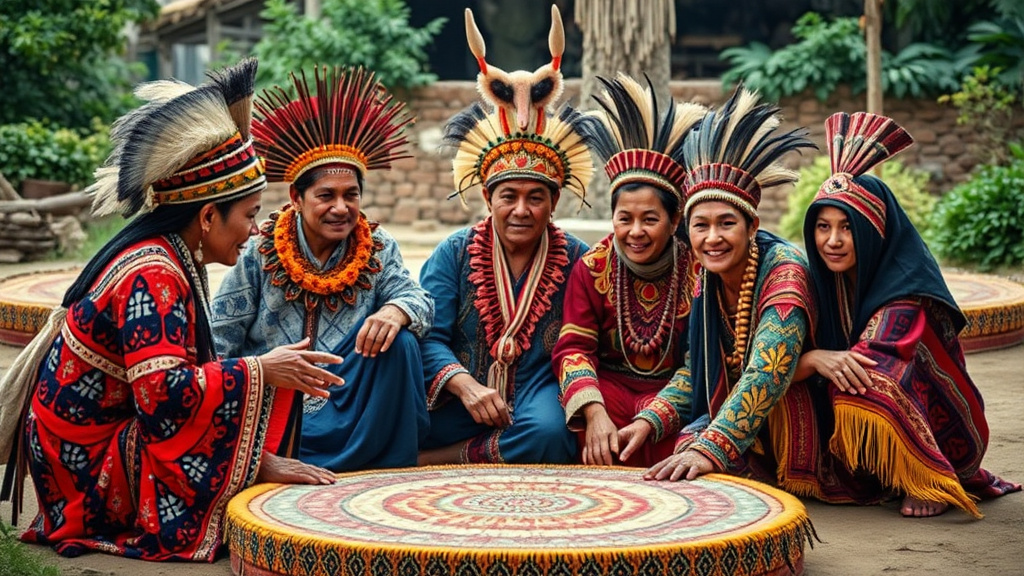
Indigenous art forms, historically limited to regional audiences and ignored by mainstream audiences, are undergoing an unprecedented international resurgence through online channels. Social media, internet-based showcases, and video platforms have removed geographical barriers, allowing artists from distant locations to present their heritage practices, musical works, and creative works to global audiences. This article explores how modern tools is revolutionizing the acknowledgment and safeguarding of indigenous creativity, assessing the significant influence of digital platforms on artistic prominence, economic opportunities, and the future of ancestral artistic practices.
Digital Transformation of Classical Artistic Practices
The digital transformation of indigenous art forms constitutes a significant change in how traditional creativity connects with international viewers. Digital platforms have allowed indigenous artists to circumvent traditional intermediaries, such as museums and distribution networks, establishing direct links with worldwide audiences. This democratization of distribution channels has enabled artisans to preserve artistic autonomy while expanding their reach exponentially. Visual media, video content, and digital archiving have revolutionized how cultural practices are presented, providing access to audiences worldwide who might not typically experience these vibrant artistic traditions.
Technology has also made it easier the preservation and documentation of endangered art forms threatened with disappearance due to assimilation into dominant cultures and loss of intergenerational knowledge. Virtual collections, web-based instruction, and digital displays function as storehouses of information, guaranteeing that time-honored methods and cultural stories are preserved for future generations. Indigenous communities now leverage these tools to recover their stories about their artistic heritage, countering inaccurate portrayals and creating true perspectives in the global cultural conversation. This digital enablement has strengthened cultural identity while establishing enduring routes for creative evolution.
Social Platforms as a Worldwide Market
Social media platforms have become dynamic marketplaces where indigenous artists directly monetize their work and establish dedicated international fan bases. Instagram, TikTok, and Facebook enable creators to share behind-the-scenes processes, communicate their heritage, and forge meaningful connections with collectors worldwide. These platforms offer immediate audience insights, allowing artists to gauge consumer demand while preserving their creative vision. The image-focused format of social media particularly benefits indigenous visual arts, textiles, and crafts, which shine through imagery and video content, opening fresh revenue streams.
The algorithmic scope of social media networks has converted obscure creators into worldwide stars in short order, creating success stories that inspire entire communities. Indigenous artists have utilized viral hashtags, partnerships, and creator partnerships to boost reach while staying connected to ancestral methods. Direct consumer sales through social commerce features have removed middlemen, letting artists retain complete profits. This economic empowerment goes past single creators, often benefiting entire communities through cooperative ventures and shared branding efforts.
- Instagram showcases artistic works and textile creations to global audiences each day
- TikTok facilitates short-form video demonstrations of indigenous art methods
- Facebook groups facilitate community building among native artist communities
- YouTube offers platforms for long-form cultural storytelling and learning materials
- Pinterest drives discovery and sales of native artisan works and design pieces
Heritage Conservation Through Technology
Digital platforms have become critical instruments for safeguarding traditional artistic practices that face extinction due to contemporary changes and cultural blending. By building enduring digital documentation of time-honored practices, artistic presentations, and cultural knowledge, communities can maintain their cultural traditions for future generations. Web-based collections and virtual institutions ensure that traditional customs remain available and recorded, even as youth relocate to metropolitan regions or seek different professional opportunities.
Digital innovation allows indigenous artists to preserve cultural continuity while adapting to contemporary contexts. Digital tools allow artisans to record their creative processes, share instructional content, and establish communities of practitioners across geographical boundaries. This technological integration reinforces cultural identity and opens new pathways for information sharing, ensuring that traditional art forms develop rather than disappear in an increasingly globalized world.
Documentation and Archive Initiatives
Specialized digital solutions committed to indigenous art documentation have developed worldwide, delivering protected storage for artistic resources. These programs leverage advanced technology including 3D scanning, detailed imaging, and visual documentation to document complex elements of cultural creations. Organizations partner with indigenous communities to maintain culturally respectful permission systems and appropriate representation of sacred or sensitive artistic knowledge and practices.
Collaborative archiving initiatives unite indigenous artists, scholars, and technologists in extensive documentation efforts. These initiatives emphasize indigenous stewardship and control over cultural materials, setting protocols that uphold intellectual property rights and cultural protocols. By combining traditional knowledge with technological systems, these archives develop enduring frameworks for preservation that empower indigenous communities as stewards of their own cultural narratives.
- Three-dimensional scanning methods captures precise artwork measurements and intricate surface textures.
- Video documentation preserves traditional techniques and artistic processes for future study.
- Community-managed digital collections guarantee proper accessibility and cultural protocol compliance.
- Multilingual digital platforms provide native art information accessible globally.
- Cloud storage systems offer secure, long-term preservation against physical deterioration.
Financial Prospects and Community Impact
Digital platforms have substantially reshaped the financial environment for indigenous artists, generating unprecedented revenue streams that immediately support communities. By bypassing traditional intermediaries and gatekeepers, artists can now keep more earnings from their sales, directing revenue into cultural conservation efforts and community advancement programs. This opening of markets has allowed numerous native artists to reach economic stability through their artistic practices, disrupting cycles of economic marginalization that historically plagued these communities.
Beyond individual artist success, digital platforms have driven broader community development by fostering collaborative economic models. Collective online stores, cooperative galleries, and artist networks strengthen purchasing power while maintaining cultural authenticity and values. Revenue generated through digital sales supports learning initiatives, apprenticeships for emerging artists, and infrastructure improvements in indigenous territories. This economic empowerment reinforces cultural identity and provides motivation for youth to take up traditional art forms, ensuring ancestral knowledge transmission and artistic continuity.
Direct Artist Revenue and Fair Trade Models
Digital commerce platforms have transformed how indigenous artists generate income from their work, removing exploitative middlemen who historically captured the majority of profits. Direct sales to consumers through websites, social media, and specialized platforms enable artists to determine fair pricing reflecting their expertise and cultural value. Open financial structures build consumer trust while guaranteeing artists obtain equitable compensation. This move to direct sales has strengthened communities economically while maintaining the integrity and cultural significance of their artistic traditions.
Fair trade digital platforms tailored to indigenous creators set ethical standards guaranteeing fair payment and appropriate depiction. These platforms prioritize artist welfare, cultural dignity, and environmentally responsible operations over profit maximization. Verification processes validate true indigenous roots while defending cultural heritage from exploitation. By linking socially aware shoppers with indigenous artists, equitable commerce approaches generate long-term income sources while promoting sense of cultural heritage and economic independence within communities.
- Transparent pricing structures guarantee artists get fair market value compensation.
- Collaborative marketplaces allow collective bargaining and shared marketing resources efficiently.
- Electronic wallets and transaction systems deliver protected and easy monetary transfers worldwide.
- Distributed ledger technology ensures verification of authenticity and blocks fraudulent indigenous pieces.
- Revenue sharing models back collective funds and cultural preservation initiatives.
